

Get in Touch
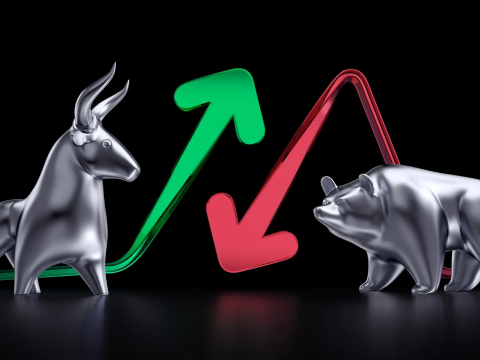
"Bull market" and "bear market" are terms used to describe the general trends and conditions in financial markets, particularly the stock market. They are based on the direction in which market prices are moving over a certain period. Here's a breakdown of the differences between a bull market and a bear market:
Bull Market: Investor.gov defines a bull market as “a time when stock prices are rising and market sentiment is optimistic. Generally, a bull market occurs when there is a rise of 20% or more in a broad market index over at least a two-month period.” During a bull market, investors are generally enthusiastic about a strong economy and solid job growth. The longest bull market in history started in 2009 and extended through 2020. The start of this bull market was on the heels of a severe bear market tied to the financial crisis of 2007–08.
Bear Market: Investor.gov defines a bear market as “a time when stock prices are declining and market sentiment is pessimistic. Generally, a bear market occurs when a broad market index falls by 20% or more over at least a two-month period.” A bear market is often marked by low investor confidence and a declining economy. The bear market surrounding the financial crisis of 2008 saw the S&P 500 decline by nearly 40% during the 2008 calendar year. The bear market occurred during what some referred to as the worst economic downturn since the Great Depression of the 1930s.
It's important to note that market conditions can change, and the transition between bull and bear markets is not always clear-cut. Additionally, these terms are not exclusive to the stock market and can be applied to other financial markets as well. Traders and investors use these terms to understand and navigate market trends and make informed investment decisions.
